7 Best Access Control Systems Singapore Businesses Trust in 2026
It’s 7 a.m. The cleaner is locked out. Nobody can find last week’s entry logs. And somewhere in the building, a key that should have been cancelled two years ago is still opening doors. If any part of that sounds a little too familiar, you are not alone. This is exactly why so many building owners and business managers across the island end up searching for the best access control systems Singapore has to offer, usually after the problem has already cost them time, money, or peace of mind.
Singapore is one of the most security-conscious cities in the world, yet it’s surprising how many offices, condos, and warehouses still depend on a bunch of shared keys and outdated locks. If you’ve been wondering whether it’s finally time to upgrade, this guide covers what you actually need to know, without turning into a sales pitch along the way.
There’s no single system that works for every building, budget, or industry. A dental clinic in Toa Payoh has different needs from a fintech startup in Raffles Place, and a family-run warehouse in Jurong faces different risks than a boutique hotel on Orchard Road. What matters most is understanding your options well enough to make a confident, informed decision rather than a rushed one.
What Is an Access Control System, and Why Does It Matter So Much Here?
At its core, an access control system works like a smart gatekeeper for your building. Instead of a physical key, it relies on cards, fingerprints, facial recognition, mobile apps, or PIN codes to decide who gets in and who doesn’t. Every entry and exit gets logged automatically, so if something ever goes missing or someone enters after hours, you have a clear digital trail to follow rather than a guessing game.
In a city like Singapore, where commercial rents run high and many buildings house multiple tenants under one roof, security is not something you can treat as optional. Property managers, condo committees, and business owners are all expected to meet certain safety standards while keeping day-to-day operations running smoothly. That balance is exactly the gap the best access control systems Singapore providers are designed to fill.
Here’s a question worth sitting with for a moment: how much would it actually cost your business if an unauthorised person walked into your server room tomorrow morning? For most companies, that number turns out to be far higher than the price of a properly installed access control setup.
Types of Access Control Systems Available in Singapore
Not every system suits every building, and that’s worth remembering before you start comparing prices. A boutique retail shop has very different needs from a 40-storey commercial tower, so let’s walk through the main categories you’re likely to come across.
Biometric Access Control
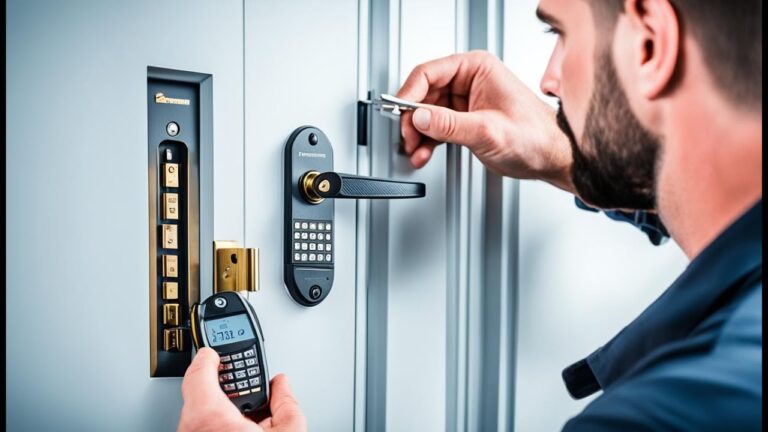
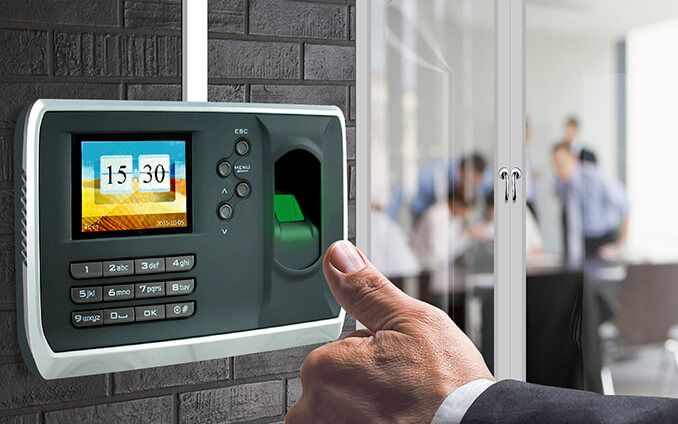
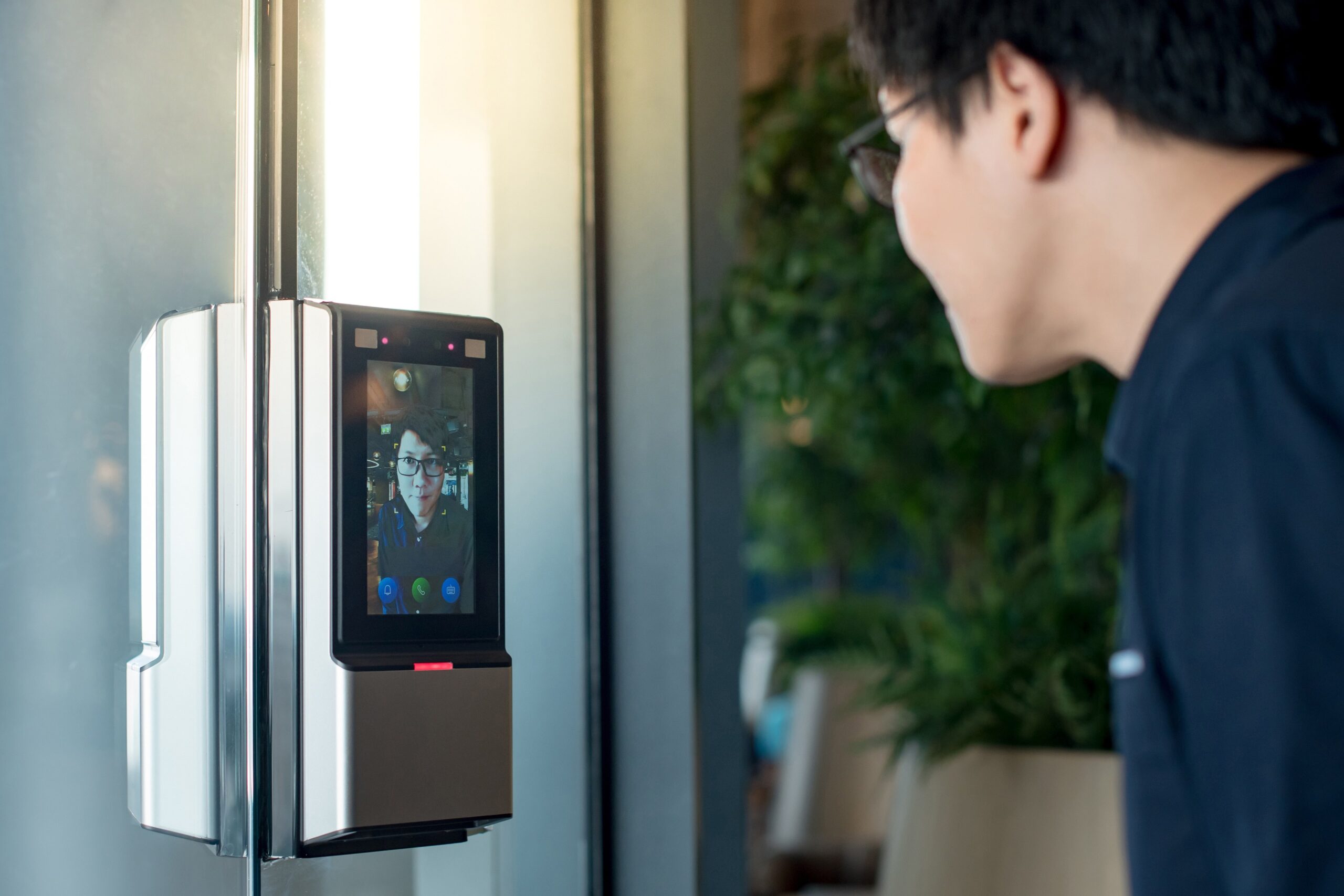
Biometric systems rely on fingerprints, facial scans, or iris recognition to confirm someone’s identity. Since a fingerprint or face can’t really be lent to someone else, these systems cut down significantly on the classic “borrowed access card” problem that plagues so many offices. Many banks, data centres, and healthcare facilities across Singapore now lean on biometric access control precisely because it takes human error largely out of the equation.
Card-Based and RFID Systems
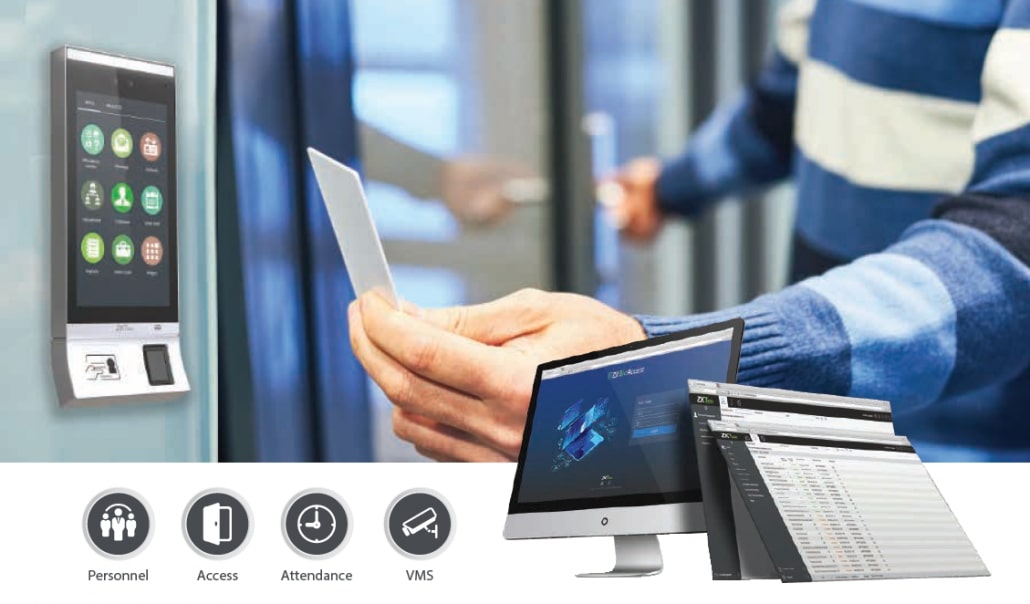
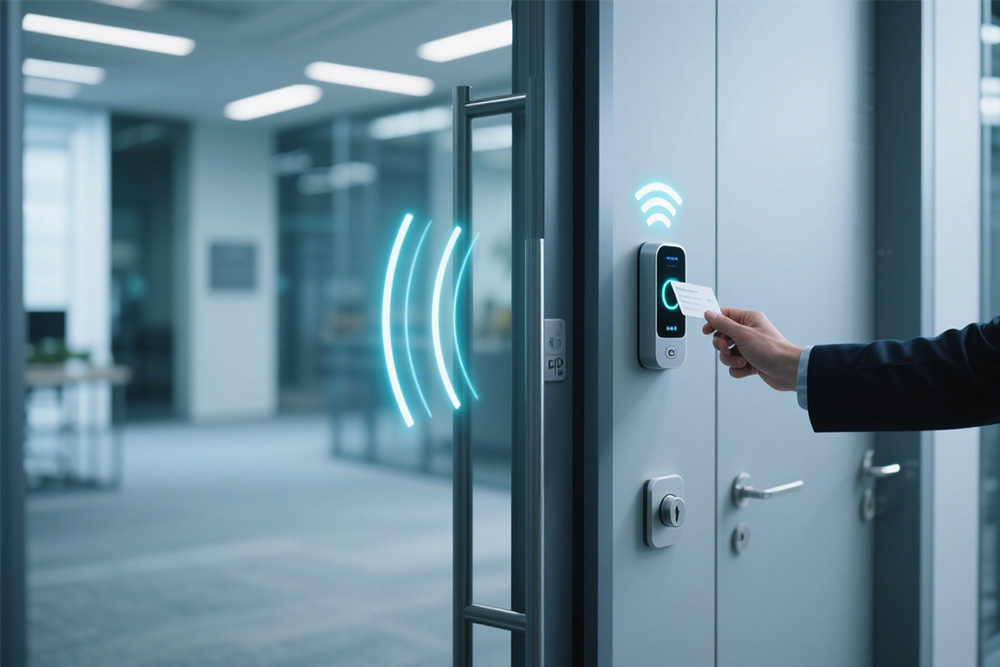
This remains the most familiar setup across Singapore’s HDB estates, condos, and office buildings, and there’s a good reason for that. Employees or residents simply tap a card or fob against a reader, and the door unlocks. It’s affordable, quick to install, and easy for large teams to manage, though lost or shared cards remain a genuine weak point worth planning around.
Mobile and Cloud-Based Access Control
This is where the market is clearly heading. Instead of carrying a physical card, your smartphone becomes the key. Property managers can grant or revoke access remotely, check real-time logs from wherever they happen to be, and push updates without ever touching a single door. For growing businesses that shift offices or scale their teams quickly, this kind of flexibility makes a real difference.
PIN Code and Keypad Systems
Simple, low-cost, and still genuinely useful for storage rooms, back entrances, or shared facilities where a full biometric setup isn’t really necessary. The catch is that codes tend to get shared around the office sooner or later, which quietly defeats the purpose of having controlled access in the first place.
What Makes the Best Access Control Systems Singapore Buyers Actually Choose
After speaking with a number of facility managers and reviewing installations across the island, a fairly clear pattern starts to emerge. Systems that earn a spot among the best access control systems Singapore companies genuinely recommend tend to share a handful of traits: dependable local support, compliance with Singapore’s fire and building codes, smooth integration with CCTV, and cloud backup so records survive even if a single device fails.
Here’s a quick comparison table to help you weigh your options at a glance.
| System Type | Best For | Average Cost (SGD) | Key Advantage | Main Limitation |
|---|---|---|---|---|
| Biometric | Offices, data centres, clinics | $1,500 – $5,000 per door | No sharing of credentials | Higher upfront cost |
| Card/RFID | Condos, HDB, retail shops | $600 – $2,000 per door | Fast, familiar to users | Cards can be lost or shared |
| Mobile/Cloud | Co-working spaces, SMEs | $1,000 – $3,500 per door | Remote management | Needs stable internet |
| PIN Keypad | Storage, back doors | $200 – $800 per door | Cheap and simple | Codes get shared easily |
Prices vary depending on the number of doors involved, integration needs, and whether you’re retrofitting an older building or wiring a new one from scratch. It’s almost always worth getting at least two quotes before you commit to anything.
Top Features Worth Prioritising
When people ask what really separates a decent system from the best access control systems Singapore has to offer, the answer usually comes down to a short, practical list rather than flashy marketing claims.
- Remote access management so admins can add or remove users without visiting the site in person
- Real-time alerts for forced entry, tailgating, or doors that have been left ajar
- Integration with CCTV and fire alarm systems for a more unified safety response
- Cloud storage of logs that survives a hardware failure or an unexpected power outage
- Scalability, so the system can grow alongside your team or building
- Local technical support, because a system that fails at 2 a.m. needs a quick fix, not a call centre halfway around the world
Skipping any one of these tends to lead to regret within the first year of use, often sooner than expected.
Access Control Options by Property Type
Not every building needs the same setup, and this is usually where first-time buyers get stuck. Comparing options side by side for your specific property type makes the whole decision far easier.
For Condominiums and HDB Estates
Most residential estates in Singapore still rely on card or fob-based entry at the main gate, backed up by intercom systems for visitors. Management councils weighing up the best access control systems Singapore has for residential use often lean toward card systems simply because residents already know how to use them, and replacement cards are cheap and quick to issue.
For Commercial Offices
Offices juggling client visits, contractors, and full-time staff tend to benefit from a layered approach: biometric or mobile access for staff-only zones, paired with a receptionist-managed visitor log for guests. This hybrid setup shows up again and again on lists of the best access control systems Singapore firms recommend for mid-sized companies.
For Warehouses and Industrial Sites
Larger sites with multiple entry points and shift-based staff often do best with cloud-based systems that let supervisors track exactly who entered which zone and when, information that proves invaluable during audits or after an incident.
A Quick Real-World Example
A mid-sized logistics company in Tuas used to rely on shared metal keys across three warehouse doors, which seemed fine until it wasn’t. After a batch of inventory went missing with no obvious explanation, the company installed a card-based access system with logging switched on. Within two months, the logs revealed that entry was happening outside shift hours, through a door meant only for daytime deliveries. The fix wasn’t dramatic technology at all, it was simply visibility into who was coming and going. That’s the quiet power behind even a mid-range setup, and it’s the same reasoning that pushes many companies toward the best access control systems Singapore vendors offer instead of sticking with traditional locks out of habit.
How to Choose the Right System for Your Business
Choosing among the best access control systems Singapore has on the market isn’t really about picking the most expensive option available. It’s about matching the system to how your building actually operates on an ordinary day.
Assess Your Foot Traffic
A shop with hundreds of daily visitors needs something fast and low-friction, like a simple card tap. A private office with twenty staff, on the other hand, can comfortably use biometric scanning without ever creating a queue at the door.
Think About Future Growth
If you’re planning to expand headcount or open a second location down the line, cloud-based systems make it far easier to manage multiple sites from a single dashboard, rather than juggling separate setups.
Check Compliance Requirements
Certain industries, including finance and healthcare, come with specific audit trail requirements. It’s worth confirming upfront that your chosen system can generate the exact reports your compliance team actually needs.
Ask About After-Sales Support
A system is only as good as the technician who shows up when something breaks. Ask vendors directly about their typical response times, and whether support is handled locally or routed through an overseas call centre.
Get More Than One Quote
It’s tempting to go with the first vendor who responds quickly, but pricing and equipment quality can vary quite a bit between providers. Comparing at least two or three quotes, along with reviews from past clients, gives you a much clearer picture of who actually delivers on their promises versus who simply sounds good on a sales call.
Common Mistakes Businesses Make When Installing Access Control
Even with the best intentions, plenty of companies stumble during setup. Here are the mistakes worth avoiding from the start:
- Choosing the cheapest quote without checking warranty terms
- Failing to train staff on how to add or remove users properly
- Ignoring fire code requirements for emergency exits
- Not testing the system’s backup power during a simulated outage
- Overlooking data privacy obligations under Singapore’s PDPA when storing biometric information
Avoiding these pitfalls alone can save months of frustration and unnecessary repair bills down the road. Vendors offering some of the best access control systems Singapore has to offer will usually walk you through these risks upfront, rather than glossing over them just to close a sale, which is itself a fairly reliable sign of trustworthiness.
Is It Worth the Investment?
The short answer is yes, almost always. Even a modest card-based setup tends to pay for itself the moment it prevents a single theft, one liability claim, or one compliance fine. For landlords and business owners weighing this decision, the real question isn’t whether to invest in one of the best access control systems Singapore has available, but rather which type fits your specific risk level and budget.
If you’re still unsure, it helps to walk through your building with fresh eyes. Which doors see the most traffic? Which rooms hold your most sensitive information or assets? Those answers usually point you straight toward the right system, faster than any brochure will.
Frequently Asked Questions
What is the average cost of installing an access control system in Singapore?
Costs typically range from around SGD 200 for a basic keypad to over SGD 5,000 per door for advanced biometric setups, depending largely on the building’s existing wiring and integration needs.
Are biometric access control systems legal for businesses in Singapore?
Yes, they are, but businesses must comply with Singapore’s Personal Data Protection Act when collecting and storing biometric data, which includes obtaining proper consent from users beforehand.
Can access control systems work during a power outage?
Most reliable systems include battery backup, though it’s worth confirming this feature before installation, particularly for critical entry points like server rooms or designated fire exits.
How long does installation usually take?
A single-door card system can often be installed within a day, while a multi-door biometric or fully integrated system across a commercial building may take one to two weeks to complete properly.
Do I need a professional installer, or can I do it myself?
For residential single-door setups, a few DIY kits do exist, but commercial buildings should always use a licensed installer to meet fire safety and building code requirements.
How do I compare vendors offering the best access control systems Singapore has to offer?
Ask for references from buildings similar to yours, request a clear breakdown of hardware versus service fees, and confirm whether software updates and technical support are included in the quoted price rather than billed separately later on.
Final Thoughts
Security shouldn’t feel like an afterthought, especially in a city where business trust and everyday safety go hand in hand. Whether you’re managing a single office or an entire commercial building, choosing from the best access control systems Singapore has to offer really comes down to understanding your traffic patterns, your budget, and your long-term growth plans, rather than chasing whatever technology looks the flashiest. Start by auditing your current entry points this week, gather a couple of quotes, and take that first real step toward a safer, smarter space.