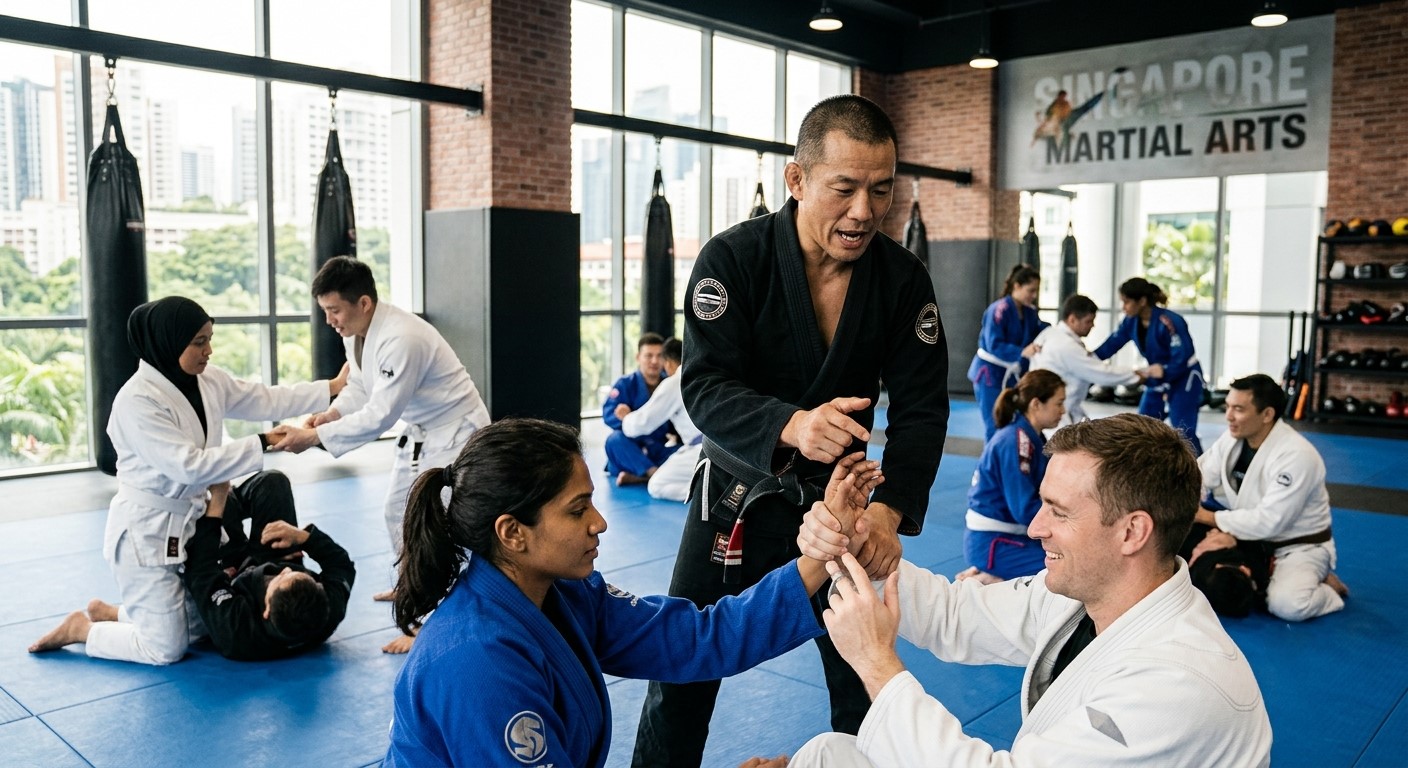
Best Martial Arts Singapore: 7 Top Picks for 2026
Your first class will probably hurt a little, humble you a lot, and still send you home with a strange sense of pride. Ask anyone who has stuck with training past the first month and they will tell you the same thing: it sneaks up on you. That is likely why so many people across the island are searching for the Best Martial Arts Singapore has to offer right now, and why the search rarely ends after just one gym visit.
Perhaps your regular gym routine has started to feel stale. Perhaps your child has more energy than your household knows what to do with. Or perhaps recent events have left you wanting to feel a little more capable of handling yourself. Whatever the reason, this guide walks through the styles worth considering, the gyms worth your time and money, and the mistakes that quietly derail most beginners before they find the Best Martial Arts Singapore option that actually fits them.
This is not a recycled directory listing. It is a practical, on-the-ground look at what genuinely matters when weighing the Best Martial Arts Singapore programs against one another, namely cost, safety, coaching quality, and whether a style will still hold your attention once the initial excitement fades.
What Makes a Martial Arts School Worth Your Time?
Not every gym with a polished website and a well-lit Instagram feed deserves your membership fee. Before getting into individual styles, it helps to understand what actually separates a strong school from one that is simply better at marketing itself.
A quality martial arts school in Singapore tends to share a few common traits:
- Instructors with verifiable competition or coaching backgrounds, not just a certificate earned over a single weekend
- Class sizes small enough that you receive real correction, not just generic encouragement shouted from across the room
- A culture that welcomes beginners instead of treating them as an afterthought
- Clean, well-maintained mats and equipment
- Transparent pricing, free of hidden contract clauses
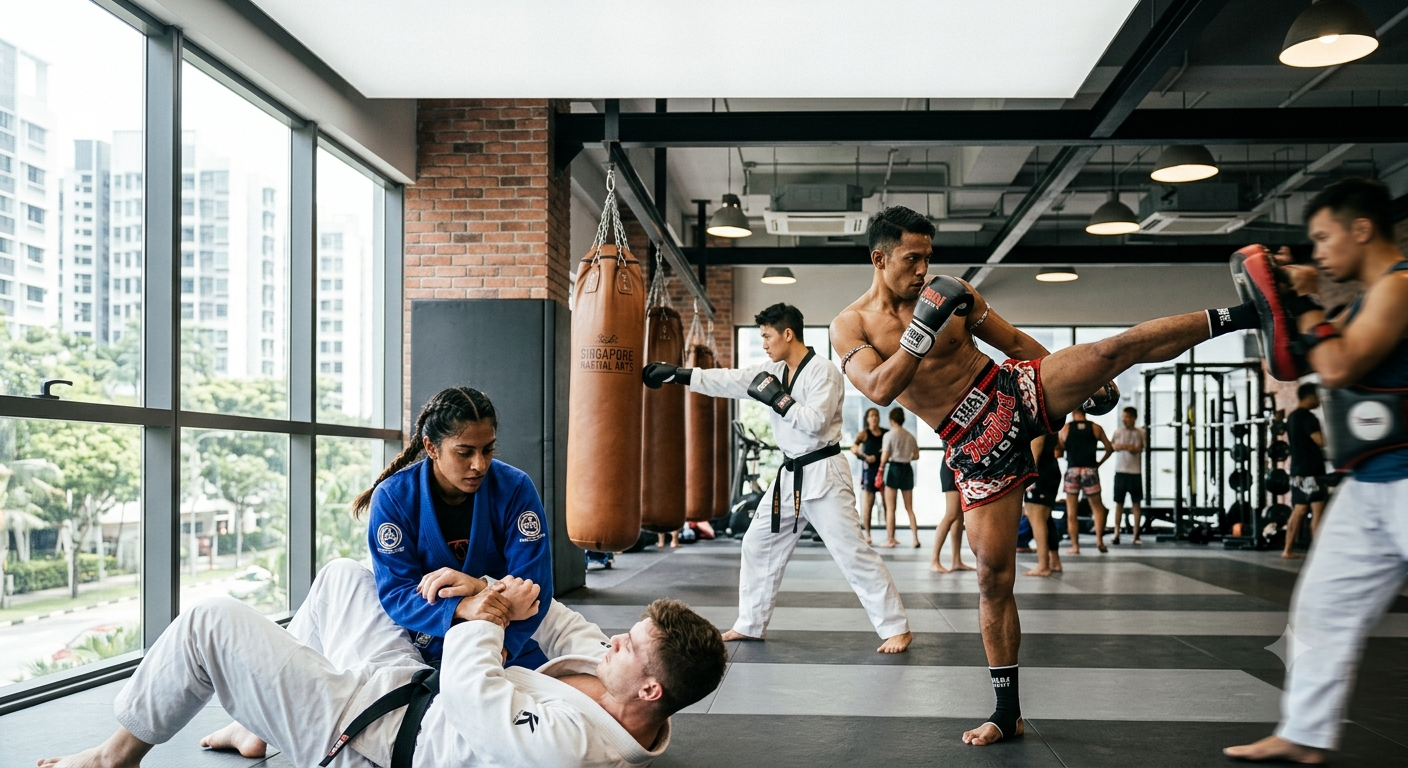
Singapore’s combat sports and fitness scene has grown considerably over the past decade, helped along by MMA’s rising visibility on television and a broader cultural shift toward functional, practical fitness. For you as a consumer, that growth is a genuine advantage, since gyms increasingly have to compete on quality rather than simply on location.
That said, the word “best” gets used rather loosely these days. A gym that markets itself as one of the Best Martial Arts Singapore has does not automatically mean it will be the best fit for you personally. Star ratings and online reviews are worth a glance, but they often reflect marketing spend as much as actual training quality, so treat them as a starting point rather than the final word.
Best Martial Arts Singapore: Top Styles to Consider
Different martial arts serve different purposes, and it helps to be honest with yourself about what you actually want out of training. Someone chasing better conditioning and a bit more confidence needs a different environment than someone preparing for real competition. Here is an honest look at the styles most commonly taught across the island, and why each one keeps appearing on lists of the Best Martial Arts Singapore has to offer.
Brazilian Jiu-Jitsu (BJJ)
BJJ has grown enormously in popularity here, partly thanks to the UFC and partly because of a growing appreciation for ground fighting as a genuinely practical form of self-defense. It is grappling-based, meaning there is little to no striking involved, which tends to make it more approachable for people who are nervous about getting hit.
Long-time practitioners often describe it as something close to physical chess. You are constantly reading and reacting in real time, and size matters far less than most people assume. A smaller, technically sound student can absolutely submit a much larger training partner once leverage and timing click into place. That is not a marketing line; it plays out on the mats every week at gyms across the city.
Muay Thai
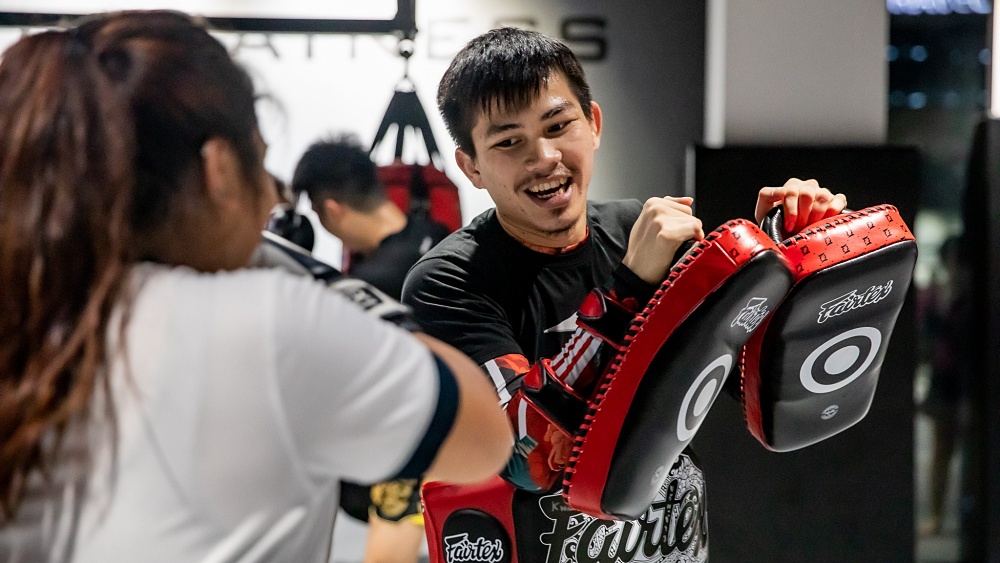
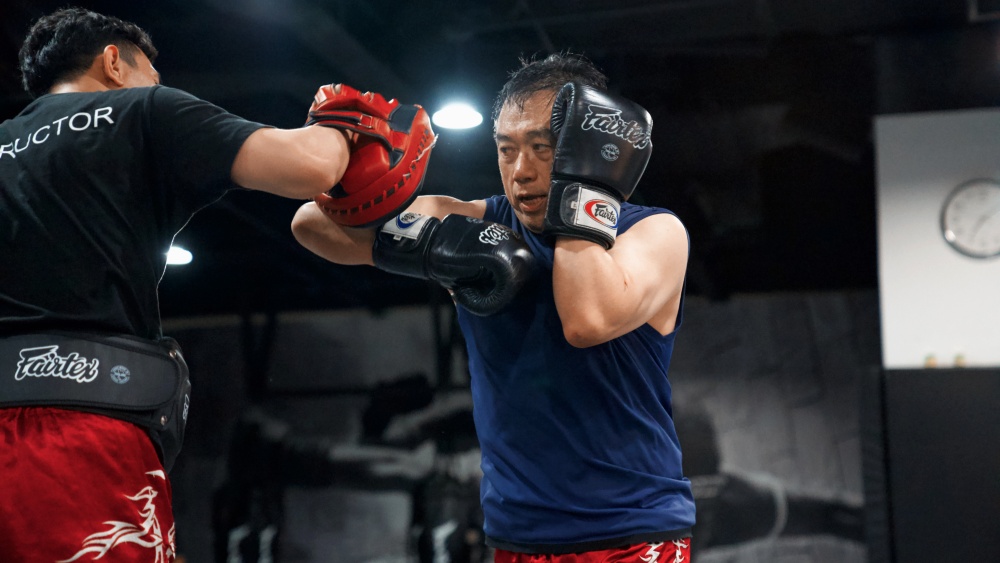
Known as the “art of eight limbs,” Muay Thai draws on fists, elbows, knees, and shins. It is demanding in the best possible sense and burns through calories faster than most other combat sports. Singapore has built a genuinely strong Muay Thai scene, with several gyms bringing in coaches directly from established training camps in Bangkok and Chiang Mai.
If you are after a workout that leaves your shirt soaked through and your legs shaking by the end of the session, this style will likely deliver.
Boxing
Boxing remains one of the more approachable entry points into combat sports. The learning curve is gentler than Muay Thai, since you are only working with punches and footwork in the early stages. Many people gravitate here simply because a session fits neatly into a lunch break or a quick stop after work.
Karate
Karate still holds a solid presence in Singapore, particularly among families. It places real emphasis on discipline, form, and respect, which explains why so many parents choose it as their child’s first introduction to martial arts. The structured belt system also gives children a clear, visible sense of progress, something that tends to keep motivation steady over months and years.
Taekwondo
Taekwondo is best known for its dynamic, high kicks. As an Olympic sport, schools producing competitive athletes tend to run rigorous, well-organized training programs. If your child has plenty of energy to burn and finds the idea of a spinning kick appealing, this style often clicks quickly.
Mixed Martial Arts (MMA)
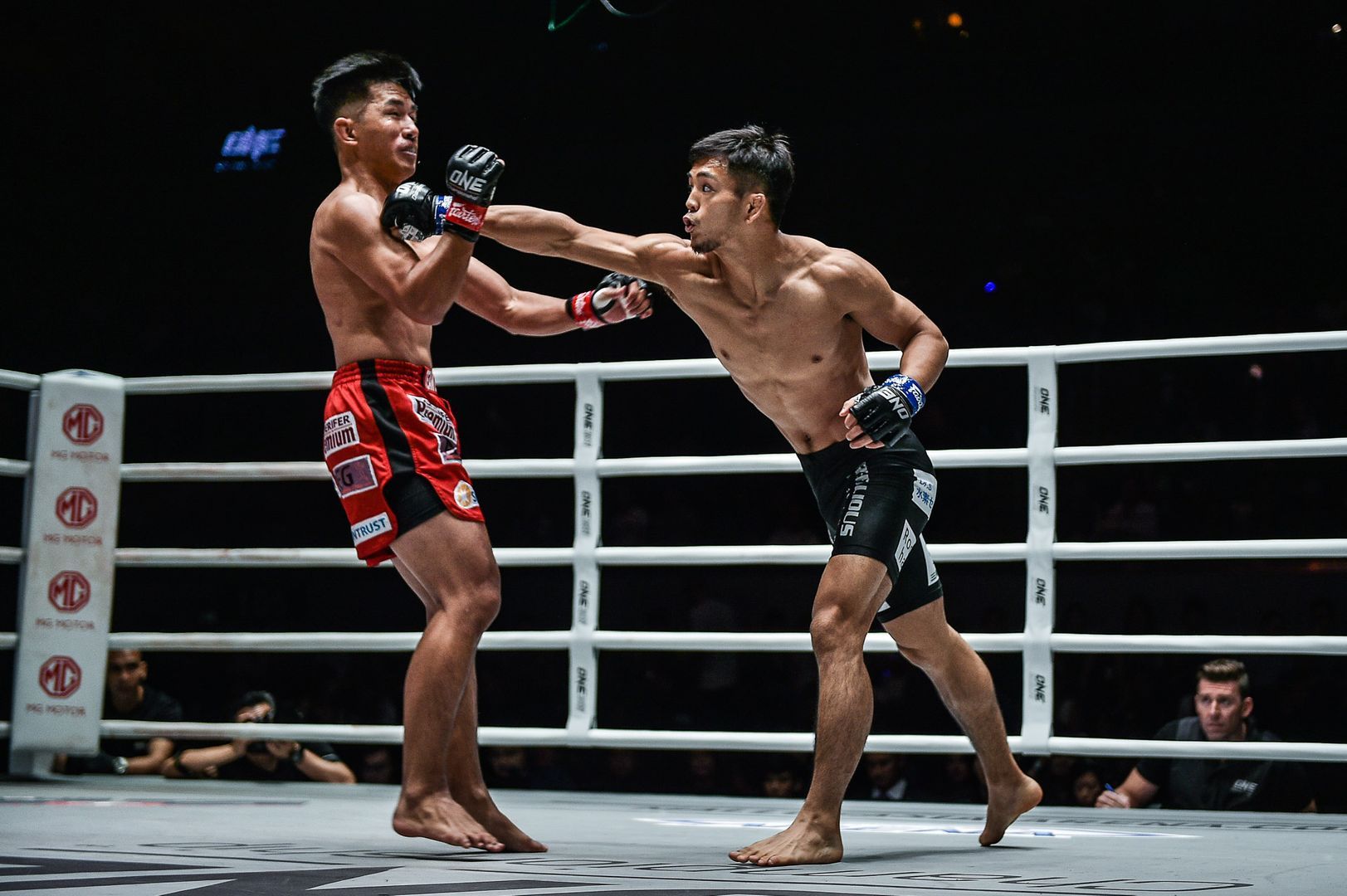
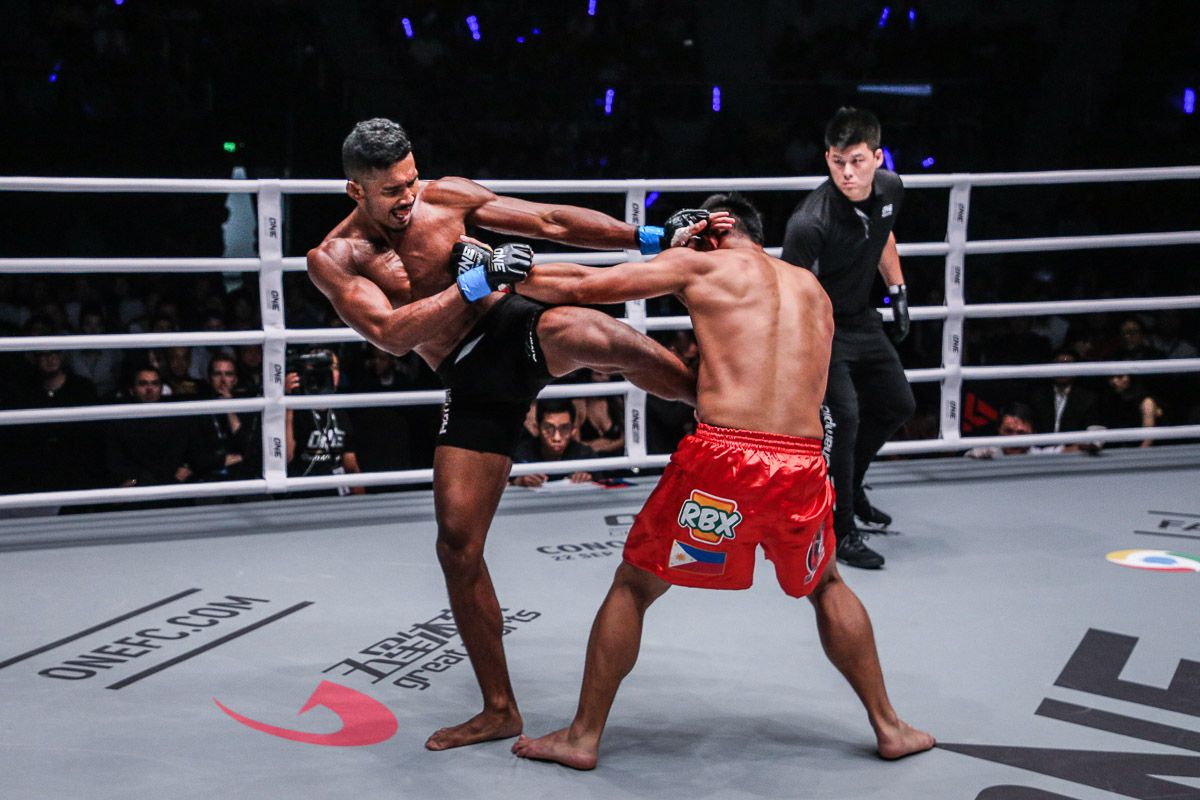
MMA brings striking and grappling together under one roof, and Singapore has quietly become something of a regional hub for it, largely thanks to ONE Championship being headquartered here. Training at an MMA-focused gym typically means rotating through Muay Thai, BJJ, and wrestling fundamentals within the same week, which builds a genuinely well-rounded skill set over time.
Comparing Styles at a Glance
| Style | Best For | Contact Level | Learning Curve | Typical Class Length |
|---|---|---|---|---|
| Brazilian Jiu-Jitsu | Self-defense, problem-solvers | Grappling only | Moderate | 60–90 minutes |
| Muay Thai | Fitness, stress relief | High (striking) | Moderate to hard | 60 minutes |
| Boxing | Beginners, quick fitness gains | Moderate (striking) | Easy to moderate | 45–60 minutes |
| Karate | Kids, discipline building | Low to moderate | Easy | 45–60 minutes |
| Taekwondo | Kids, agility and kicks | Low to moderate | Moderate | 45–60 minutes |
| MMA | All-round skill, competition | High (mixed) | Hard | 60–90 minutes |
Choosing among the Best Martial Arts Singapore has to offer really comes down to matching a style to your own goals, rather than picking whatever looks most impressive online.
How to Choose the Right Gym in Singapore
Selecting a style is only half the decision. The gym itself matters just as much, and sometimes more.
Location and Schedule
Be honest with yourself about how far you are willing to travel. A fantastic gym that sits 45 minutes away will get skipped on rainy Monday evenings far more often than a decent gym five minutes from your office. In this sport, consistency tends to beat prestige nearly every time.
Trial Classes
Nearly every reputable gym offers a trial session, and it is worth taking before committing to anything. Pay close attention to how instructors treat complete beginners during that trial. Do they adjust their pace to include you, or do they leave you to figure things out while their attention stays on the advanced students?
Instructor Credentials
Do not hesitate to ask direct questions. How long has the head coach been training? Have they competed themselves? Are they affiliated with a recognized federation or lineage, such as a specific BJJ academy or a known Muay Thai camp? A gym that takes pride in its lineage will answer these questions openly, without getting defensive.
Real Stories from Singapore Practitioners
Rankings and comparison tables only tell part of the story, so here are a few genuine patterns worth sharing from people who have actually lived this experience.
One finance professional in his mid-thirties started BJJ purely to manage work-related stress. Eighteen months later, he had lost 12 kilograms, though what stood out most to him was something less measurable: the mats became the one place his phone simply could not reach him. That mental reset, he said, mattered more than the physical results.
A mother of two enrolled her eight-year-old son in taekwondo after his teachers flagged his difficulty sitting still in class. Within a year, his coordination had improved noticeably, and his teachers began noticing better focus in the classroom as well. Structured physical activity often does more for a child’s attention span than we tend to give it credit for.
A university student took up Muay Thai shortly after a difficult breakup, wanting somewhere to channel her frustration. The urge to hit something faded within a few weeks, as these things usually do, but she stayed because of the friendships she built at the gym, the kind of people who noticed and asked when she missed a session.
None of these are extraordinary success stories, and that is precisely the point. The Best Martial Arts Singapore experience is not always about becoming a competitive fighter. More often, it is a series of small, steady improvements that quietly add up over time.
Cost of Martial Arts Training in Singapore
Budget is a fair concern, so let’s address it honestly. Prices vary depending on the neighborhood, the gym’s reputation, and whether you are paying per class or committing to a monthly package. Even among gyms considered part of the Best Martial Arts Singapore has to offer, pricing can swing considerably, so it is worth comparing a few before signing anything.
- Group classes typically range from SGD 150 to SGD 300 per month for unlimited access
- Private one-on-one lessons often start around SGD 80 to SGD 150 per session
- Children’s programs usually fall between SGD 120 and SGD 250 monthly, depending on how often classes run
- Many gyms offer a discounted trial period, often SGD 20 to SGD 50 for the first week or two
Watch out for lengthy lock-in contracts. Some gyms push twelve-month commitments with steep penalties for early cancellation. A month-to-month arrangement, even at a slightly higher rate, often works out better while you are still deciding whether a particular style truly suits you.
Common Mistakes Beginners Make
Even highly motivated newcomers tend to stumble in fairly predictable ways. Recognizing these patterns early can save you months of unnecessary frustration.
- Choosing a style based on films rather than personal goals, then losing interest when reality does not match the fantasy
- Skipping the trial class entirely and locking into a contract based purely on an attractive website
- Training too intensely, too soon, which often leads to burnout or injury within the first few weeks
- Comparing yourself to students who have trained for years, a habit that quietly kills motivation
- Overlooking nutrition and recovery, then wondering why progress feels frustratingly slow
Have you ever abandoned a hobby simply because results did not arrive fast enough? Martial arts has little patience for that mindset, but it rewards genuine persistence in a way few other pursuits manage to match.
Why Singapore Is a Great Place to Train
Singapore’s compact size works genuinely in your favor here. Within a single week, you can realistically visit three different gyms in three different neighborhoods without losing hours to transit. The country also draws international-level coaches, partly due to ONE Championship’s presence and partly because Singapore’s fitness culture rewards quality instruction with strong, loyal membership.
Air-conditioned training facilities are another underrated advantage, especially for anyone who has attempted sparring in tropical humidity without one. It sounds like a minor detail until you have sweated through a round of Muay Thai pad work in 32-degree heat with no airflow to speak of.
Benefits Beyond the Physical Workout
People generally sign up for the Best Martial Arts Singapore programs expecting fitness results, and they usually get them. What tends to surprise most beginners is everything else that comes along with the training, almost as a quiet bonus.
Mental Resilience
Sparring, even at a light and controlled pace, forces you to stay composed under pressure. That skill rarely stays confined to the mats. Many students report handling stressful meetings or tense conversations with noticeably more calm after a few months of training, simply because their nervous system has had repeated practice staying steady while genuinely uncomfortable.
Community and Accountability
Friendships formed at the gym tend to feel different from ordinary acquaintances. You are, quite literally, trusting each other’s safety during drills, and that builds trust faster than most everyday social settings allow. This sense of accountability also keeps people showing up on the days they would otherwise be tempted to skip.
Practical Confidence
There is a particular, quiet kind of confidence that comes from knowing you could defend yourself if the situation genuinely called for it. Interestingly, this rarely translates into aggression. If anything, most instructors will tell you that trained students become less likely to escalate a confrontation, not more.
What to Bring to Your First Class
Walking into your first session at a Best Martial Arts Singapore gym does not require much in the way of gear. Most schools provide loaner equipment for trial classes, so there is no need to buy anything upfront. A reasonable starter checklist includes:
- Comfortable athletic wear that allows a full range of movement
- A refillable water bottle, since Singapore’s humidity adds up quickly
- A small towel for wiping sweat between rounds
- An open mind, along with a willingness to look a little awkward for the first few weeks
Gis, gloves, and shin guards can wait until you have decided a style genuinely suits you. Spending SGD 200 on gear before your second class is a common early mistake, and one worth avoiding.
Is Martial Arts Training Safe for Beginners?
Safety concerns understandably hold some people back, and that hesitation is fair. Reputable schools structure their beginner classes to reduce injury risk, typically through controlled drilling well before any live sparring begins. It is worth asking any gym directly about their injury protocols and how soon new students are expected to spar. A gym that pushes beginners into hard sparring within the first few sessions is a red flag worth taking seriously.
FAQs
What is the best martial art for complete beginners in Singapore?
Boxing and Brazilian Jiu-Jitsu tend to be the most beginner-friendly, since both allow for gradual skill-building without demanding flexibility or a prior athletic background. Most instructors will still tailor their guidance based on your individual fitness level and goals.
How much does martial arts training cost per month in Singapore?
Expect to pay roughly SGD 150 to SGD 300 monthly for unlimited group classes, though pricing varies depending on the gym’s location and the instructor’s experience. Private coaching typically costs considerably more per session.
Which martial art is best for self-defense?
Brazilian Jiu-Jitsu and Muay Thai are widely regarded as the most practical for real-world self-defense situations, since both focus on techniques that work regardless of an opponent’s size. MMA-focused gyms combine elements of both for an even broader skill set.
Can adults start martial arts training later in life?
Absolutely. Plenty of gyms in Singapore run classes specifically designed for adults over 30 or 40, focusing on technique and fitness rather than competitive performance. Age is rarely the barrier people assume it to be; consistency matters far more than the age at which you begin.
Are martial arts classes suitable for young children?
Yes. Many schools accept children starting around five or six years old, particularly for karate and taekwondo, which emphasize discipline and coordination over contact-heavy sparring.
Conclusion
Searching for the Best Martial Arts Singapore has to offer is not really about chasing the flashiest gym or the most fashionable style on social media. It comes down to matching your genuine goals, whether that means better fitness, practical self-defense, discipline for your children, or serious competition, with a school that treats beginners with patience and honesty. Take the trial classes, ask the sometimes uncomfortable questions about instructor credentials, and give yourself at least a month before deciding whether a style truly fits. The mats will still be there next week. What actually changes things is the version of you that finally walks in and gives it a genuine try.