
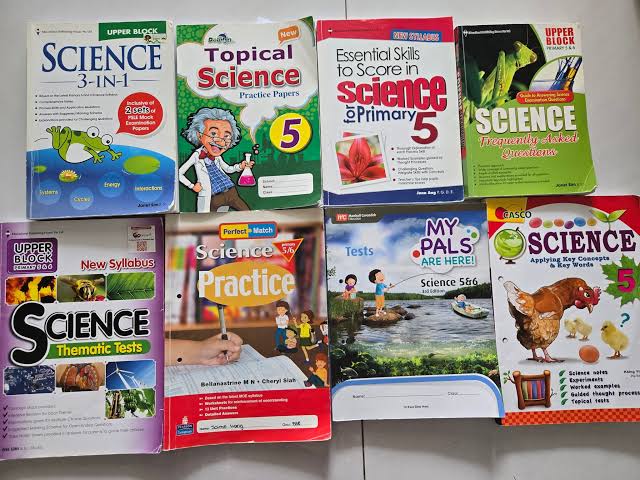
How Primary Science Books Help Children Understand the World Around Them
Children are curious about the world around them. They observe insects, plants, rain, and other natural events while asking questions about how things work. Science helps them explore these experiences and develop observation and thinking skills. A well-designed primary Science book explains scientific concepts through simple language, illustrations, and everyday examples. With guidance from parents and teachers, children can connect classroom lessons with real-life experiences, improve their understanding, and develop an interest in science from an early age.
| Key TakeawaysPrimary science learning encourages children to observe, question, and investigate their surroundings.Illustrations, examples, and activities help explain scientific concepts in an accessible way.Practical learning develops observation, reasoning, problem-solving, and communication skills.Parents and teachers can reinforce science concepts through simple everyday activities.Consistent practice and age-appropriate resources help children build confidence and scientific understanding. |
1. Connecting Science Lessons with Everyday Life
Science becomes easier to understand when children can connect what they learn to familiar experiences. Instead of memorising definitions without context, they can explore how scientific concepts explain events they encounter in daily life.
For example, a child who learns about evaporation may begin to understand why wet clothes dry in the sunlight. A lesson about plants can explain why leaves need sunlight and water to grow. These simple connections help children recognise the usefulness of science beyond the classroom.
Understanding the Natural Environment
Children can learn science by exploring gardens, parks, and the weather. These experiences help them understand plants, animals, water, and the environment. Science books explain these observations through pictures and simple examples.
Parents can encourage curiosity by asking questions such as:
- Why do plants need sunlight?
- Why do puddles dry in the sun?
- Why do birds have different beaks?
- How do insects help the environment?
These questions help children observe, think, and learn about nature.
Recognising Science at Home
Everyday activities can help children learn science. Cooking shows how materials change, refrigerators keep food fresh, and light creates shadows. When adults explain these examples simply, children can understand scientific ideas more easily. Science books that connect lessons with familiar experiences make learning clearer, more interesting, and easier to remember.
2. Making Complex Concepts Easier to Understand
Some scientific concepts can be challenging for young learners because they involve processes that cannot always be observed directly. Topics such as the water cycle, the movement of the Earth, and the functions of different body systems require children to imagine how things work beyond what they can immediately see.
Well-organised learning materials break these topics into smaller, understandable sections. Clear explanations, labelled diagrams, and step-by-step descriptions can help children build knowledge gradually.
Learning Through Illustrations and Diagrams
Pictures and diagrams help children understand science more easily. For example, a flower diagram shows its parts, while a water cycle illustration explains how water moves through nature. Useful visual features include:
- Labelled diagrams
- Step-by-step illustrations
- Comparison tables
- Pictures of living and non-living things
- Simple charts
These visuals, along with clear explanations and practice questions, make science easier to learn and remember.
Building Knowledge Step by Step
Children learn better when new information connects with what they already know. For example, understanding what plants need to grow helps them learn about plant growth and reproduction. Science books should introduce basic ideas before explaining more difficult concepts. Teachers and parents can review previous lessons and ask children to explain topics in their own words to check their understanding.
3. Developing Observation and Critical Thinking Skills
Science is not just about learning facts. It also teaches children to observe details, find patterns, compare information, and make decisions based on evidence.
These skills help children solve problems and explain their ideas in different subjects and everyday life.
Encouraging Children to Ask Questions
Children learn science by asking questions and exploring the world around them. When they ask why ice melts or why some objects float, parents and teachers can help them find answers through simple activities. For example, children can observe how ice melts in different places. This helps them improve their observation skills and learn from the results.
Learning to Compare and Group Things
Primary science teaches children to group things based on their features. They can group animals by their habitats, compare materials, and find similarities between plants. These activities help children identify patterns and organise information. Science workbooks with comparison tables and exercises can also improve logical thinking and understanding.
4. Supporting Practical Learning Through Simple Experiments
Hands-on activities help children understand science through real-life examples. They can make predictions, follow instructions, record results, and learn why things happen.
Science activities do not always need special equipment. Many can be done using common household items, as long as they are safe and suitable for the child’s age.
Simple Science Activities for Young Learners
Parents and teachers can help children learn science through simple activities.
Observing seed growth: Place seeds in damp cotton or soil. Ask children to watch them grow over several days and record changes in the roots and shoots.
Exploring floating and sinking: With adult supervision, place safe household objects in a bowl of water. Ask children to guess which objects will float or sink, then check the results.
Investigating shadows: Use a torch and an object to see how the shadow changes when the light moves. Children can observe changes in its size and position.
Comparing materials: Put a small amount of water on paper, fabric, and plastic. Ask children to observe which materials absorb water and which do not.
Choose activities that match the child’s age and abilities. Adults should supervise children around water, keep small objects away from young children, and never let them handle dangerous substances or hot equipment.
5. Choosing Suitable Resources for Primary Science Learning
Good science books help children learn with confidence. Parents and teachers should choose books that match the child’s level and explain concepts clearly. A suitable book should include simple explanations, examples, diagrams, and practice questions to help children understand science instead of just memorising facts.
What to Look for in a Science Book
Before selecting a resource, consider the following features:
- Age-appropriate explanations: Concepts should be presented in language children can understand.
- Accurate scientific information: Definitions, diagrams, and examples should be clear and reliable.
- Relevant illustrations: Visuals should support explanations rather than distract from the topic.
- Varied practice questions: Activities should test understanding, interpretation, and application.
- Logical topic progression: Lessons should build on previously introduced concepts.
- Opportunities for review: Summaries and revision exercises can help reinforce important ideas.
Parents should also check the intended primary level and whether the material supports the child’s current school learning. If possible, reviewing sample pages can help determine whether the content is appropriate.
Using Different Learning Materials Together
Textbooks explain concepts, activity books encourage practical learning, and assessment books provide practice questions. Choosing different types of resources helps children learn without repeating the same content. Parents can explore primary school books and select suitable materials based on their child’s subject needs, learning goals, and ability level.
6. Strengthening Scientific Understanding Through Regular Practice
Children need opportunities to revisit scientific concepts after their initial lessons. Regular practice helps them remember important information and apply it to different situations.
However, effective revision does not require long study sessions every day. Short, focused activities can help children maintain their understanding while leaving sufficient time for rest, play, and other interests.
7. How Parents and Teachers Can Encourage Scientific Curiosity
Children often become more interested in science when adults treat their questions as valuable opportunities to learn. Supportive conversations can help students feel comfortable expressing ideas, making predictions, and admitting when they do not know an answer.
Parents can encourage curiosity during walks, shopping trips, gardening, or household activities. Teachers can create similar opportunities through classroom demonstrations, group discussions, and simple investigations.
Make Observation Part of Everyday Routines
Invite children to notice changes in their surroundings. They might observe how the weather changes during the week, compare leaves from different plants, or describe the materials used to make everyday objects.
Ask open-ended questions that allow children to explain what they notice. Questions such as “What differences can you see?” or “What do you think might happen next?” encourage more thoughtful responses than questions that require only a yes-or-no answer.
Connect Learning with Environmental Responsibility
Science can also help children understand why caring for the environment matters. Lessons about water, plants, animals, and habitats can lead to discussions about reducing waste, conserving resources, and protecting living things.
Simple actions, such as switching off unused lights, using water responsibly, and sorting recyclable materials where facilities are available, can reinforce these ideas.
When children understand the reasons behind these habits, they can begin to connect scientific knowledge with responsible everyday decisions.
Final Thoughts
Science helps children understand the world by encouraging observation, questions, and practical learning. With suitable books and activities, they can connect classroom lessons with everyday experiences. Parents and teachers can support this process by encouraging curiosity, explaining mistakes, and providing regular practice. Families can explore educational resources from Singapore Asia Publishers and choose books that match their child’s learning needs. The right resources make science easier to understand, build confidence, and help children discover how science relates to their daily lives.
Frequently Asked Questions
1. Why are primary science books important for children?
Primary science books introduce scientific concepts in an organised way and help children develop observation, reasoning, and problem-solving skills. They also connect classroom learning with everyday experiences, making unfamiliar ideas easier to understand.
2. How can parents make science more interesting at home?
Parents can encourage children to observe nature, ask questions, grow plants, compare everyday materials, and discuss familiar scientific processes. Short, supervised activities can make learning enjoyable without requiring expensive equipment.
3. What features should parents look for in a primary science book?
Look for accurate explanations, clear diagrams, age-appropriate language, relevant examples, and varied practice questions. The book should match the child’s primary level and support their current learning needs.
4. Are practical experiments necessary for learning science?
Practical activities can strengthen understanding by allowing children to observe concepts in action. They complement reading and classroom instruction, although not every topic requires an experiment. Discussions, diagrams, and structured questions can also support learning.
5. How often should children practise science?
The ideal frequency depends on the child’s age, school workload, and learning needs. Short, regular review sessions are often manageable and can help reinforce concepts. Parents should prioritise understanding rather than the number of questions completed.